Dark-Sky Astronomy: Observing Celestial Constellations in Dubai's Desert
The vast desert expanses surrounding Dubai provide a dramatic contrast to the glittering metropolis. While the central urban corridor suffers from high ambient artificial light, venturing 40 to 60 kilometers into the southern and eastern desert regions unlocks certified dark-sky conditions with low Bortle scale ratings. The premier terrestrial location for astronomical observation is the Al Marmoom Desert Conservation Reserve, designated as Dubai's flagship eco-reserve, alongside the high open slipways of the Lahbab desert.
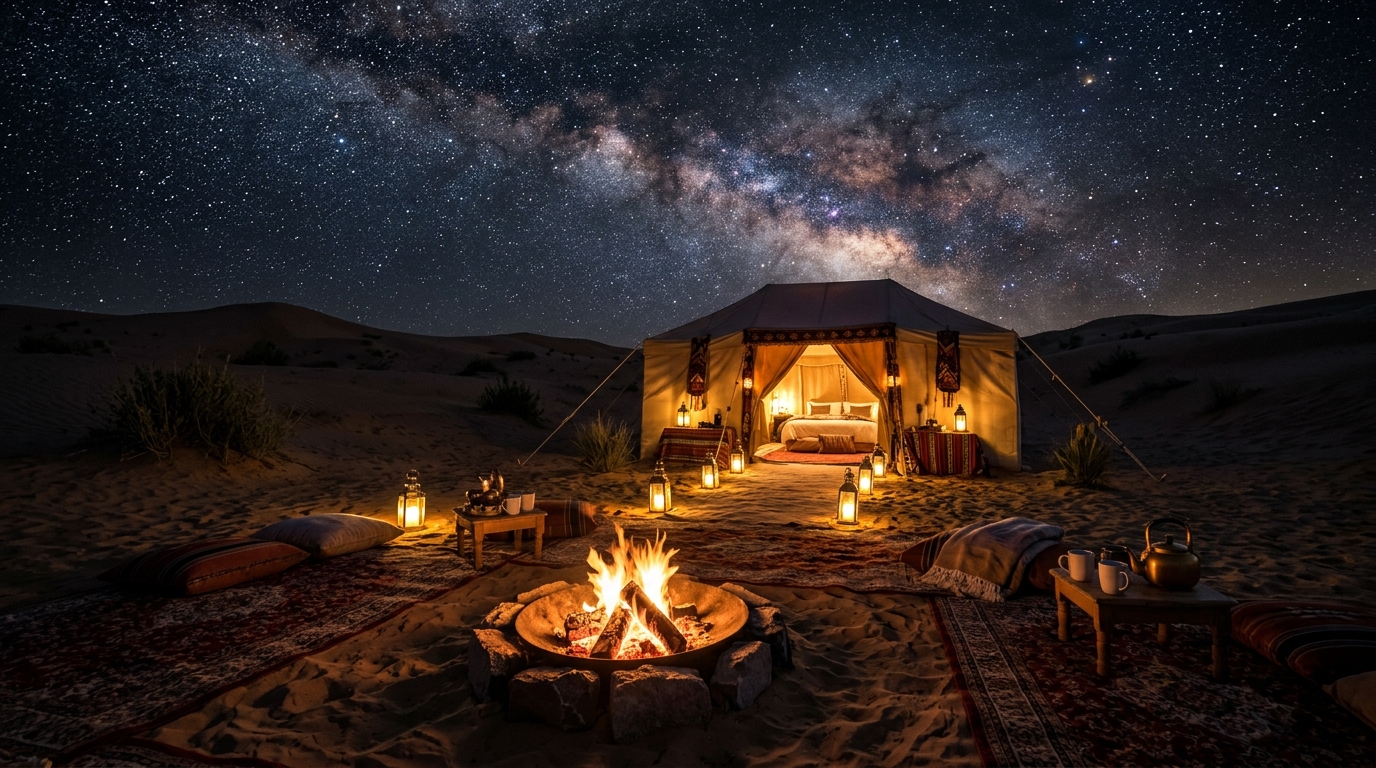
In these dark-sky pockets, visitors can observe prominent seasonal constellations including Orion, Ursa Major, Cassiopeia, and Scorpius without optical distortion. During clear astronomical twilight, the radiant silver arc of the Milky Way core stretches vividly across the zenith. Professional astronomy safaris feature high-aperture computerized Schmidt-Cassegrain telescopes operated by accredited astronomy guides. Guests enjoy crisp, magnified glimpses of the lunar crater rims, the atmospheric storm bands and Galilean moons of Jupiter, the magnificent ring structures of Saturn, and deep-sky nebulae such as the Orion Nebula (M42). Seasonal astronomical phenomena—including the Perseid meteor shower in August, the Geminids in December, and planetary alignments—transform the desert into a world-class open-air observatory.
Dark-Sky Visibility
Al Marmoom Reserve and Lahbab desert offer low ambient light pollution, enabling clear visual observation of lunar topography, Saturn's rings, and the Milky Way core.
Overnight Camp Infrastructure & Authentic Bedouin Hospitality
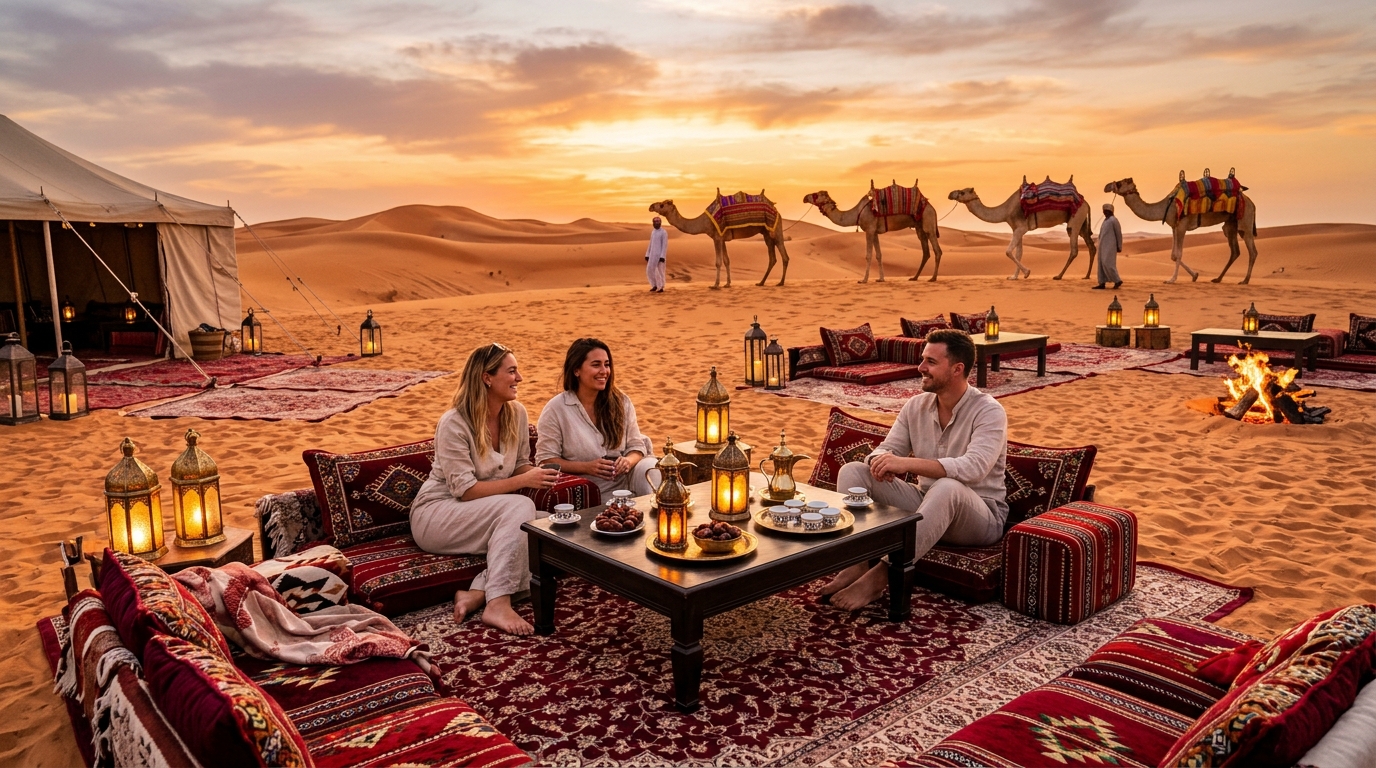
Overnight desert camping in Dubai strikes a harmonious balance between traditional nomadic heritage and modern comfort. Upon arriving at a licensed desert camp in late afternoon, guests are greeted with traditional Emirati hospitality: fragrant Arabic coffee (gahwa) brewed with green cardamom and saffron, accompanied by sweet local Khalas dates and chilled refreshment towels.
Camp architecture reflects classic Bedouin aesthetics, utilizing heavy woven tents, low majlis seating arrangements with kilim carpets, brass lanterns, and open-air fire pits. Overnight accommodations vary from private authentic cotton-canvas tents outfitted with elevated mattresses, fresh cotton linens, and plush pillows, to ultra-luxury eco-glamping domes featuring private en-suite bathrooms and air conditioning. In the evening, camp chefs prepare a comprehensive live-cooking barbecue feast featuring grilled kebabs, shish taouk, spiced lamb chops, warm flatbreads, and aromatic saffron rice, alongside a rich mezze spread of hummus, mutabbal, tabbouleh, and fresh salads. As night deepens, ambient camp lighting is dimmed to complete darkness, allowing the celestial canopy above to take center stage around the glowing embers of the central campfire.
Camp Hospitality Inclusions
Standard overnight safaris include welcome gahwa coffee, live barbecue buffet dinner, midnight campfire tea, Bedouin sleeping quarters, and morning breakfast.
Environmental Protection, Conservation Reserves & Campfire Regulations
The Dubai desert ecosystem is a delicate biological habitat home to rare indigenous species including the Arabian oryx, sand gazelles, desert foxes, and native flora like the ghaf tree (Prosopis cineraria). To safeguard this environment, the Dubai Municipality and the Dubai Department of Economy and Tourism (DET) enforce rigorous conservation regulations.
A critical municipal mandate governs open campfires: all fires in the desert must be elevated in dedicated metal fire pans or raised pits, keeping wood and hot coals at least 15 centimeters above the desert floor. Burning directly upon the sand or disposing of hot charcoal into dunes is strictly prohibited under Dubai environmental protection codes and carries substantial administrative penalties. Commercial safari camps utilize custom stainless-steel braziers with spark arrestors. Furthermore, overnight stays within the Dubai Desert Conservation Reserve (DDCR) are strictly limited to authorized eco-safari concessions operating on designated zero-trace protocols. Travelers are prohibited from gathering desert brushwood or disturbing nocturnal wildlife burrows.
Municipality Fire Standards
Dubai Municipality regulations require campfires to be elevated in dedicated metal fire stands; open fires built directly upon sand are prohibited.
Participant Eligibility, Family Suitability & Preparation Essentials
Overnight desert camping is an inclusive, peaceful wilderness retreat well-suited for families, couples, and photography enthusiasts. Because overnight safaris incorporate 4x4 desert transfers, specific age and health considerations apply to ensure passenger safety and convenience.
Standard overnight safaris generally welcome children aged 5 and older. While daytime safaris may accommodate toddlers in gentle transport vehicles, overnight stays are best suited for children who can comfortably manage desert camping conditions. Families traveling with young children or senior travelers frequently reserve private camp setups to customize driving routes and ensure quieter sleeping arrangements. Pregnant travelers in their first and second trimesters may participate via dedicated private vehicles that bypass bumpy dunes and drive directly to camp via graded access roads. Essential packing items include comfortable loose-fitting daytime clothing, heavy warm evening outerwear, slip-on shoes or trainers, high-capacity power banks for mobile phones, personal toiletries, and any essential prescription medications.
Health & Packing Advisory
Overnight camping is recommended for travelers aged 5 and above. Bring warm evening layers and personal toiletries for comfortable desert camping.
From Golden Hour Twilight to Sunrise: Step-by-Step Overnight Itinerary
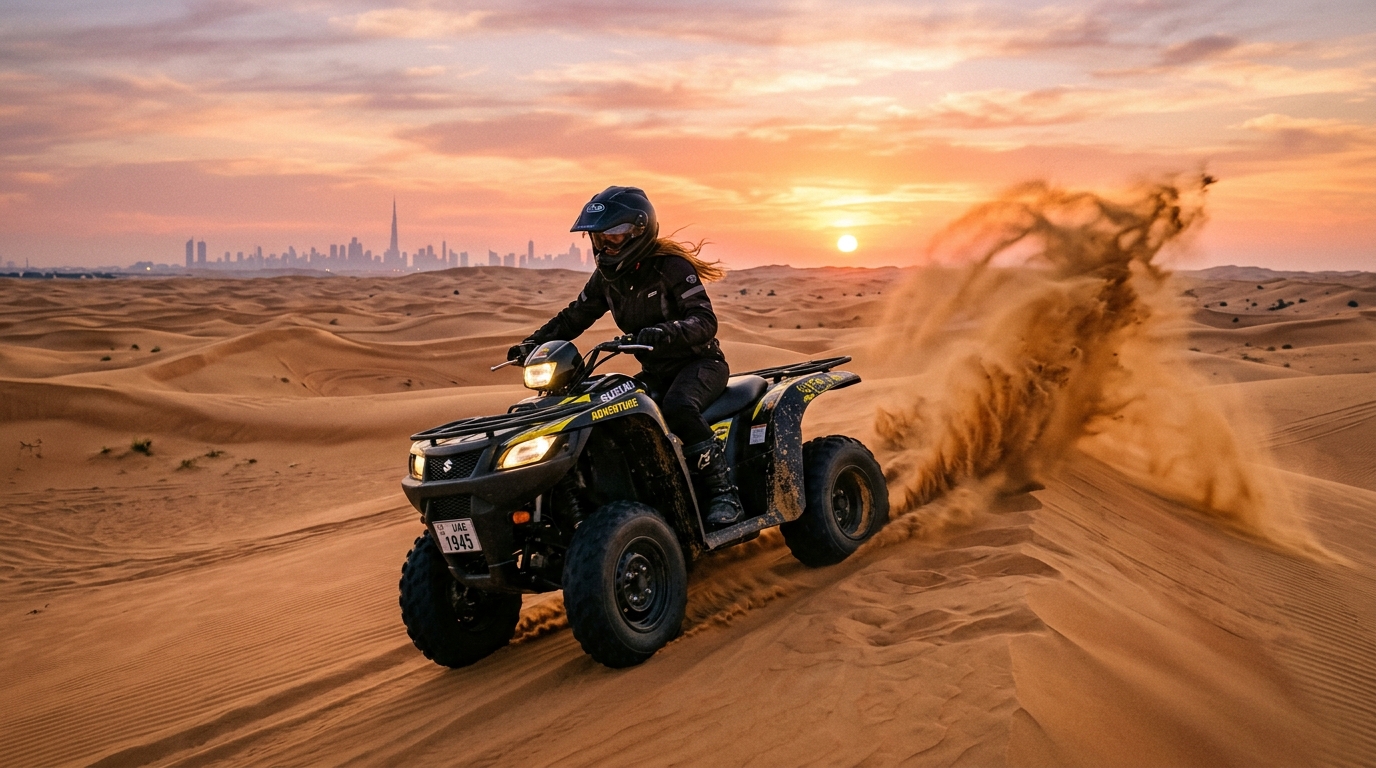
An overnight desert safari represents an immersive 16-to-18-hour journey that highlights the shifting moods of the desert landscape. Standard excursions commence with afternoon hotel pickup in air-conditioned 4x4 SUVs between 2:30 PM and 3:30 PM. Following transit to the desert rim, guests experience scenic dune cresting and a sunset summit photo stop as golden light sweeps across the ridges.
Convoys arrive at the Bedouin desert camp between 5:30 PM and 6:00 PM. The evening progresses with sunset camel rides, traditional henna art, aromatic shisha in designated lounges, and an extensive barbecue dinner accompanied by live acoustic oud music and cultural performances. Between 8:30 PM and 10:30 PM, the focus shifts to dedicated astronomy sessions: astronomers orient guests using laser pointers, guide telescope viewing across deep-sky targets, and share traditional Arabian celestial navigational lore. Following a restful night under the desert sky, guests wake at 6:00 AM to witness the breathtaking desert sunrise, enjoy a freshly cooked breakfast of eggs, warm bread, fresh juices, and coffee, before departing at 7:30 AM for a comfortable 9:00 AM hotel return.
18-Hour Itinerary Flow
The overnight experience spans afternoon arrival, sunset camel trek, campfire dinner, guided telescope stargazing, peaceful desert overnight, and sunrise breakfast.